
Roast My Landing Page
Paste your landing page URL and get roasted. An AI reads the page the way a stranger does and scores the five things that decide whether they sign up: the offer, the headline, the call to action, the proof and how fast it all makes sense. Every score comes with a blunt roast and one concrete fix. Free, no signup, three roasts a day.
Free · no signup · 3 roasts a day
What the roast scores
A landing page has one job: make a stranger understand the offer fast enough to take the next step. Each of these areas is a place where that breaks.
- Clarity of the offer
- Can a stranger tell what you sell, who it is for and why it beats the alternative?
- Headline
- Does the main headline say something only your product could say, or could it sit on any site?
- Call to action
- Is there one obvious next step, labelled with what the visitor gets, where the visitor needs it?
- Proof
- Numbers, named customers, reviews, a demo or a free trial: is there anything that makes the promise believable?
- Speed of understanding
- The five-second test: how fast do the title, the headline and the first lines answer what this is and why it matters?
How it reads your page
Under the jokes, the roast is a landing page analyzer. It fetches your page as a logged-out visitor and keeps the text that visitor reads: the title tag and meta description, the headings, the button and link labels, the alt text on images, the social preview tags (og:title, og:description and og:image) and the first 4,000 characters of visible text. Claude, Anthropic's AI model, then reviews that text against the five areas above and returns a score, a roast and a fix for each.
It judges words and structure and quotes your own copy back at you. It does not see colors, images or layout. Everything on the page goes to the reviewer as content to judge, never as instructions, so a line asking the AI for a perfect score is just more copy to roast.
Your meta tags are a listing too
Three tags travel further than the page itself: the title, the meta description and og:image. They are what a search result, a link pasted into a chat and a directory card show before anyone clicks. On a directory that builds the listing from your URL alone, those tags are the listing. The roast reads them alongside your headline, so a vague title gets caught here instead of on every site where your link appears.
A page that converts still needs visitors
A roast fixes what happens after someone arrives. Getting them there is the other half, and for a new product the quickest first links are directories: launch boards, startup catalogs and category lists where an approved product gets a page of its own and a link.
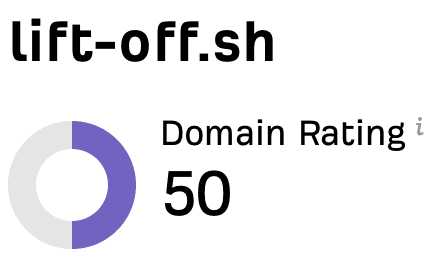
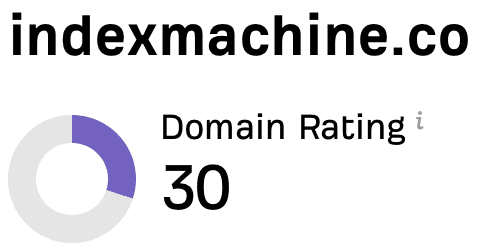
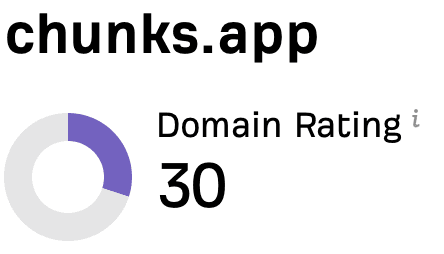
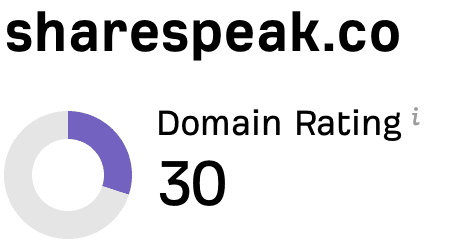
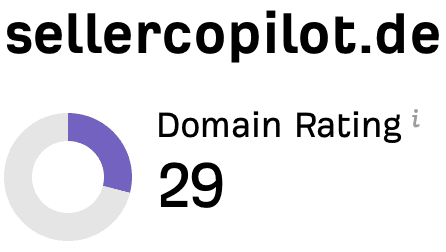
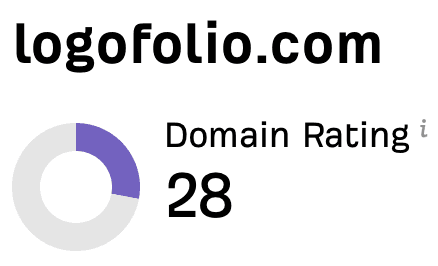
That half is what Submitator does. You choose the directories, and our catalog shows the Domain Rating of each one and whether it needs a badge. We take it from there: every form filled, a unique description written for each directory and every directory's badge installed and kept live with one component, no commit per directory. Starter covers 30 directories for $29, one-time; most directories are delivered in 24 to 48 hours, every directory within 21 days at most.
30 directories for $29
Growth is 60 for $49 and Scale is 100 for $79, one-time.
Real backlinks. Real DR. Real proof.
FAQ
How does this landing page roast work?
Paste the URL of your landing page and press Roast it. The tool loads the page the way a first-time visitor's browser receives it and keeps what that visitor reads: the title and meta description, the headings, the button and link labels, the social preview tags and the first 4,000 characters of visible text. An AI model scores that against the five areas on this page and writes a short roast and one concrete fix for each.
Is the landing page roast free?
Yes. No signup and no card. Each visitor gets three new roasts a day, and a page that was already roasted that day comes back from the cache without using one of them.
What do the scores mean?
Each area gets a score from 1 to 10 and the overall score is their average. 1 to 3 is broken, 4 and 5 are weak, 6 and 7 are decent, 8 and 9 are strong and 10 is rare. The scale is strict on purpose: a 7 is a page that works, and the fixes are how it gets higher.
Can I roast my whole website?
One page per roast: each URL gets its own score, so you roast your website page by page. Start with the page most visitors land on, then roast your pricing page and any page you send ads or launch traffic to. Those are the pages that have to explain the product to a stranger on their own.
Why does the roast say my page has almost no text?
Some sites send an almost empty HTML file and build the page in the browser with JavaScript. The roast reads the HTML your server sends, which is also what link previews in chat apps and social networks read, so when it finds almost no text it stops instead of roasting a blank page. Server-side rendering or prerendering the landing page fixes it for both.
Can it review a page behind a login?
No. It opens the URL as a logged-out visitor on the public internet, so password-protected pages and anything on a private or local network, such as a staging server, are out of reach. Roast the public version of the page.
What should I fix first?
The lowest score. Every area ends with one concrete fix, often new copy you can paste straight in, and a new headline or button label is a much smaller test than a redesign. Make the change, then roast the page again the next day: a URL gets one fresh roast per day.
Can an AI really judge a landing page?
It is a fast first read, not a verdict. As website feedback, it catches what a stranger notices in the first seconds: a headline that could sit on any site, a button that says nothing, a claim with no proof behind it. It reads words and structure only, not colors, images or layout, so pair it with a five-second test on a real person and with your own conversion numbers.
Keep going
Roasted and fixed? 30 directories for $29.
One-time, for the page's first links. You pick the directories, Submitator fills every form.