
Free Domain Age Checker
Domain age is how long ago a domain name was registered. Enter a domain below to see exactly how old it is (in years, months and days), its registration date, when it expires and who its registrar is, read from the registry's own record. Free, no signup.
Free · no signup · straight from the registry
What a domain age lookup shows
Every result reads the domain's registration record and counts its age to today's date, down to the day. Here is what each line means.
- Registered
- The day the current registration was created. Domain age counts from here.
- Expires
- When the current registration term ends unless the owner renews it.
- Last changed
- The last time the record changed, such as a renewal or a new name server.
- Registrar
- The company the domain is registered through.
New domain? Give it its first links
A brand-new domain has no history and, almost always, nothing linking to it. Search engines find new sites by following links from sites they already know, so the first few matter. The fastest place to get them is directories: launch platforms, startup catalogs and niche lists that link to the products they approve.
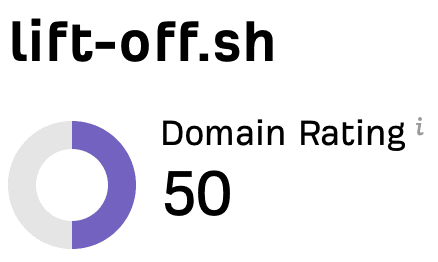
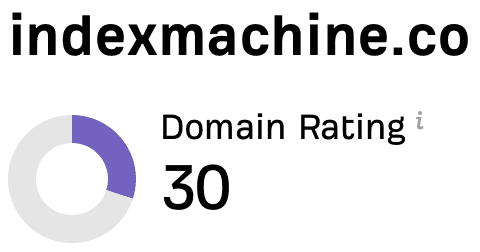
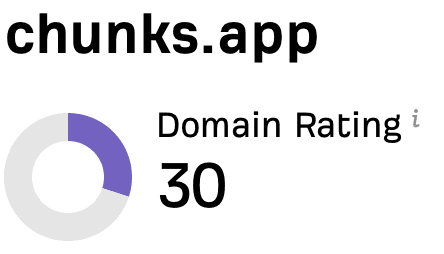
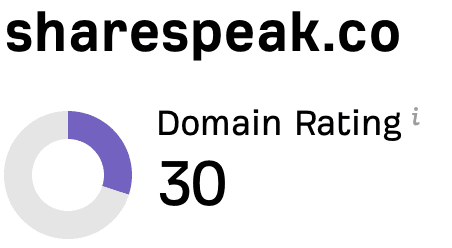
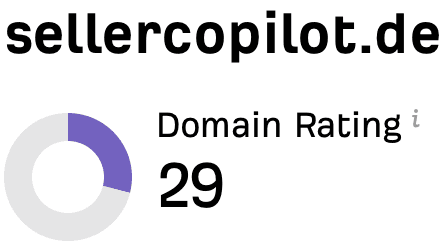
Submitator submits your site to them for you. You pick your directories from our catalog, which shows every directory's Domain Rating and link type, and Submitator fills every form and writes a unique description for each. Starter covers 30 directories for $29, one-time; most directories are delivered within 24-48 hours and every directory within 21 days at most.
30 directories for $29
Growth is 60 for $49 and Scale is 100 for $79, one-time.
Real backlinks. Real DR. Real proof.

Where the dates come from
Every date comes from RDAP, the Registration Data Access Protocol that domain registries publish their records through. For each domain we ask the RDAP server IANA lists for its zone, or the registry's own server for .io, .co and seven other zones IANA doesn't list, so the dates are the registry's own. Since January 28, 2025, RDAP has been the definitive source of registration data for generic domains such as .org and .app, in place of WHOIS.
FAQ
What is domain age?
Domain age is the time since a domain's current registration was created, counted from the registration date in the registry's record. google.com was registered on September 15, 1997, so in October 2026 it is 29 years old. Renewing a domain, moving it to another registrar or selling it keeps that date. If a domain lapses, is deleted and someone registers it again, its age starts over.
How do I find out how old a domain is?
Enter the domain in the checker at the top of this page and press Check age. The Registered line is its registration date, taken from the registry's record. The Age line counts from that date to today in years, months and days. The result also shows when the domain expires and which registrar it is registered through.
Does domain age affect SEO?
Not by itself. Google's John Mueller put it bluntly in 2019: “No, domain age helps nothing.” In 2010 Google's Matt Cutts said the difference between a six-month-old domain and a one-year-old one is really not that big, and that rankings come mostly from the quality of your content and the links it earns. Old domains usually rank because they have had years to earn links, not because of the date alone. That is why a new domain's first job is earning its first links.
Why does WHOIS hide the owner but not the dates?
Privacy law protects people, not domains. Since the EU's GDPR began to apply on May 25, 2018, ICANN's rules for generic domains such as .com have had registrars hide an individual owner's name, street address, phone number and email wherever privacy law requires it. The same rules still require every record to show the domain name, the registrar, the status, the creation date and the expiry date. Those dates describe the registration, not the person behind it, which is why you can still check a domain's age. Country-code domains such as .de set their own rules, so some publish fewer dates.
How is website age different from domain age?
Domain age counts from the day the current registration was created, as the registry records it. Website age counts from the day the site now on the domain first went live, and no registry records that. The two often differ: a domain can sit unused for years before anything is published on it, and a site that moves to a new domain is older than the domain it uses now. The first capture in the Internet Archive's Wayback Machine gives a rough idea of website age: it can come late, because not every site is archived, or early, if the name had an earlier owner.
Why can't some domains be checked?
Many country-code registries, such as .de, .es and .eu, have no RDAP service this tool can read, and neither does .edu. Some, such as .au, publish a record without a registration date. A subdomain such as blog.example.com has no record of its own, so check the main domain instead.
How current are the dates?
They come from the registry's own record, and we cache each answer for about a day, so a very recent renewal or transfer may not show yet. The age itself is always counted to today's date.
Is this domain age checker free?
Yes. No signup and no card. Check your own domain, one you are thinking of buying or a competitor's.
Keep going
New domain? 30 directories for $29.
One-time, for its first links. You pick the directories, Submitator fills every form.